

Keeping a home in optimal condition requires a proactive approach. Regular maintenance prevents minor issues from escalating into expensive repairs. A structured plan ensures all critical areas of the house remain functional, preserving property value and reducing unexpected costs.
HVAC System Maintenance for Efficiency and Longevity
1. Regular Filter Replacement
Air filters trap dust, allergens, and pollutants, preventing them from circulating indoors. Clogged filters force HVAC systems to work harder, increasing energy consumption and reducing efficiency. Changing filters every 1-3 months improves air quality and system performance.
2. Seasonal HVAC Inspections
Professional inspections before summer and winter ensure heating and cooling systems function optimally. Checking refrigerant levels, cleaning condenser coils, and ensuring proper thermostat calibration enhance energy efficiency and prevent system failures during peak seasons.
3. Cleaning Air Ducts and Vents
Accumulated debris in ductwork reduces airflow, making HVAC systems inefficient. Periodic duct cleaning enhances indoor air quality and prevents excessive strain on the system, ultimately extending its lifespan.
Roof and Gutter Maintenance to Prevent Water Damage
1. Routine Roof Inspections
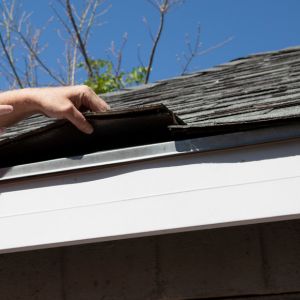
Small leaks and missing shingles may seem minor but can lead to significant water damage over time. Inspecting the roof twice a year and after storms helps identify and address issues before they worsen.
2. Cleaning Gutters and Downspouts
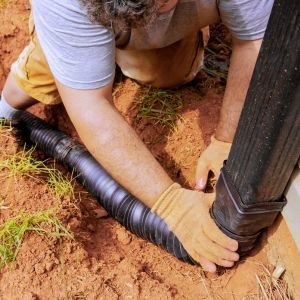
Clogged gutters cause water overflow, damaging the foundation and siding. Removing debris, leaves, and dirt ensures proper drainage, protecting the home’s exterior and basement from water infiltration.
3. Sealing Flashing and Chimney Areas
Cracked flashing around vents, chimneys, and skylights can allow moisture intrusion. Applying sealant prevents leaks and reduces the risk of mold growth and structural deterioration.
Plumbing System Care to Avoid Costly Leaks
1. Checking for Leaks Regularly
Inspecting under sinks, around toilets, and near water heaters helps detect minor leaks before they cause structural damage. Addressing small drips promptly reduces water bills and prevents mold growth.
2. Maintaining Water Heater Efficiency
Flushing sediment buildup from the water heater annually extends its lifespan and improves efficiency. Checking the anode rod prevents corrosion, ensuring the unit operates effectively.
3. Preventing Pipe Freezing in Winter
Insulating exposed pipes minimizes the risk of freezing and bursting. Keeping faucets dripping during extreme cold also prevents pressure buildup that can lead to cracks and leaks.
Electrical System Maintenance for Safety and Performance
1. Testing Circuit Breakers and Outlets
Faulty wiring or overloaded circuits pose fire hazards. Testing outlets and ensuring breaker panels function correctly reduces the risk of electrical failures.
2. Replacing Worn-Out Wiring and Fixtures
Aging electrical components increase fire risks. Replacing frayed wires, outdated outlets, and flickering light fixtures enhances safety and prevents sudden electrical failures.
3. Installing Surge Protectors
Power surges damage electronics and appliances. Using surge protectors safeguards valuable devices from voltage spikes, prolonging their lifespan.
Foundation and Structural Maintenance to Avoid Major Repairs
1. Addressing Foundation Cracks Immediately
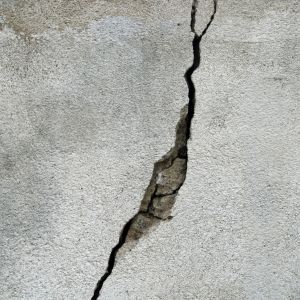
Hairline cracks in the foundation may expand over time, leading to severe structural damage. Sealing cracks and monitoring shifts in the structure prevent costly foundation repairs.
2. Ensuring Proper Drainage Around the Home
Water pooling near the foundation causes soil erosion and weakens the base. Installing proper grading and drainage solutions diverts excess water away from the property, maintaining structural integrity.
3. Inspecting Basement and Crawl Spaces
Damp basements and crawl spaces indicate potential foundation problems. Using dehumidifiers and sealing cracks reduce moisture-related damage, preventing mold and mildew growth.
Exterior and Landscaping Maintenance for Home Preservation
1. Sealing Windows and Doors
Gaps around windows and doors let air escape, increasing heating and cooling costs. Applying weather stripping and caulk prevents drafts, improving energy efficiency.
2. Maintaining Exterior Paint and Siding
Chipped paint and deteriorating siding expose the home to weather damage. Regular repainting and siding repairs protect the structure from moisture, pests, and UV exposure.
3. Trimming Trees and Shrubs Away from the Home
Overgrown branches pose risks to roofs, siding, and windows. Regular pruning prevents storm damage and enhances curb appeal.
Pest Control to Prevent Structural Damage
1. Sealing Entry Points
Small cracks and gaps provide easy access for rodents and insects. Sealing openings around pipes, vents, and doors keeps pests out and protects the home’s structure.
2. Conducting Regular Inspections
Detecting early signs of infestations prevents extensive damage. Inspecting attics, basements, and crawl spaces for droppings or nests helps address issues before they escalate.
3. Using Preventive Treatments
Applying pest deterrents and scheduling periodic extermination reduces the risk of termites, ants, and rodents compromising the home’s integrity.
Smart Home Maintenance Habits for Long-Term Savings
1. Creating a Home Maintenance Calendar
Scheduling inspections and routine maintenance tasks prevents overlooked issues. A structured plan ensures timely repairs, extending the lifespan of home systems.
2. Keeping Records of Repairs and Upgrades
Tracking maintenance history helps homeowners budget for future repairs and identify recurring issues. Documentation also adds value when selling the home.
3. Investing in Professional Inspections
Hiring experts for periodic assessments ensures potential problems are detected early. Professional insights prevent major repairs and improve home longevity