

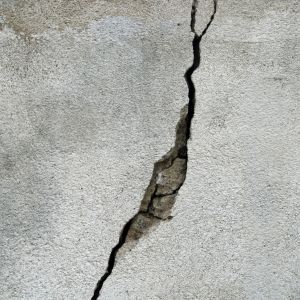

Adding structural loads to a building, such as solar panels, rooftop HVAC units, or home expansions, can significantly impact foundation integrity. While modern foundations are designed to withstand typical building loads, additional weight can alter soil conditions, create uneven settlement, and lead to long-term stability issues. Understanding how these additional loads affect foundations is crucial for preventing structural damage and ensuring long-term durability.
Types of Structural Loads Affecting Foundations
1. Dead Loads (Permanent Structural Weight)
Dead loads refer to the permanent weight of a building, including walls, floors, and roofing materials. When solar panels or other fixed structures are installed, they contribute to the dead load, increasing stress on the foundation.
How Additional Dead Loads Affect Foundations:
- Increased downward pressure on soil, leading to potential settlement.
- Uneven load distribution, causing localized foundation stress.
- Potential need for reinforcement in aging structures.
2. Live Loads (Temporary Weight Increases)
Live loads include temporary weight changes, such as furniture, appliances, and human occupancy. While these loads fluctuate, improperly distributed live loads can cause localized stress points that accelerate foundation wear.
Common Live Load Considerations:
- Temporary storage of heavy equipment on roofs or elevated surfaces.
- Frequent rooftop maintenance affecting weight distribution.
- Wind and snow accumulation increasing load variations.
3. Environmental Loads (External Forces)
External factors such as wind, earthquakes, and heavy rainfall contribute to dynamic loading conditions. If structural additions like solar panels are not properly secured, these environmental forces can increase stress on the foundation.
Effects of Environmental Loads on Foundations:
- Wind uplift from solar panels creating additional lateral force.
- Heavy snow accumulation adding seasonal load fluctuations.
- Seismic activity causing foundation shifts in high-risk areas.
How Solar Panels Affect Foundation Stability
1. Increased Roof Load and Weight Distribution
Solar panels add weight to the roof, requiring proper structural assessment to ensure that the additional load is within acceptable limits. Excessive weight without reinforcement can lead to:
- Roof sagging and structural weakening.
- Additional foundation settlement from increased vertical stress.
- Cracks in walls and ceilings due to load redistribution.
2. Changes in Water Drainage Patterns
Solar panels alter how rainwater and snow interact with a roof, potentially causing water pooling in unexpected areas. Poor drainage can lead to soil erosion near the foundation, increasing the risk of settlement.
Preventive Measures for Drainage Issues:
- Install proper gutter extensions to redirect water flow.
- Ensure the roof slope supports efficient runoff management.
- Use foundation waterproofing to prevent moisture infiltration.
3. Structural Reinforcements for Solar Panel Installation
Before adding solar panels, structural reinforcements may be necessary to prevent excessive foundation strain. Key reinforcements include:
- Roof truss reinforcement to distribute weight evenly.
- Foundation underpinning for additional stability.
- Load-bearing assessments to prevent stress concentration.
Other Additional Structural Loads and Their Impact on Foundations
1. Rooftop HVAC Units and Heavy Equipment
HVAC systems, water tanks, and other mechanical installations add significant weight to a structure. If improperly installed, these loads can:
- Increase foundation stress, leading to cracks or movement.
- Cause vibration-induced wear on structural components.
- Accelerate soil compaction under high-pressure zones.
2. Home Expansions and Second-Story Additions
Adding extra floors or extending a home increases the overall dead load, requiring a structural assessment to ensure the foundation can handle the increased weight.
Key Considerations for Home Expansions:
- Soil testing to determine load-bearing capacity.
- Reinforcing footings and foundation walls.
- Distributing load evenly to prevent differential settlement.
3. Heavy Landscaping Features
Retaining walls, decorative ponds, and outdoor kitchens contribute to additional weight near the foundation, potentially affecting soil stability.
Mitigation Strategies:
- Use lightweight construction materials where possible.
- Improve soil compaction and drainage.
- Install deep footings for heavy landscaping elements.
Preventing Foundation Damage from Additional Structural Loads
1. Conducting a Load-Bearing Assessment
Before adding structural elements, homeowners should consult a structural engineer to assess the foundation’s capacity and recommend reinforcements if necessary.
2. Reinforcing the Foundation for Additional Loads
Strengthening the foundation ensures it can support additional weight without shifting or cracking.
Reinforcement Techniques:
- Installing helical or push piers to increase load-bearing capacity.
- Adding concrete footings under load-bearing walls.
- Using steel reinforcements to improve structural integrity.
3. Monitoring Foundation Settling Over Time
Periodic foundation inspections help detect early signs of stress from additional loads. Monitoring for cracks, uneven floors, and shifting walls ensures early intervention before significant damage occurs.