

Basement renovations are an excellent way to increase living space and boost property value. However, modifying an existing basement can significantly impact the foundation’s structural integrity. From excavation and waterproofing to load redistribution, understanding the potential risks ensures a successful renovation without compromising the home’s stability.
Structural Changes and Foundation Load Redistribution
1. Alterations in Load Distribution
Any renovation project that changes the basement’s layout or structure can shift how weight is distributed across the foundation. Adding walls, removing support beams, or installing heavy flooring materials can place additional stress on specific areas.
Effects of Uneven Load Distribution:
- Foundation settlement due to increased pressure in certain spots.
- Development of cracks in basement walls and flooring.
- Structural misalignment, causing doors and windows to stick.
2. Excavation and Underpinning Risks
Lowering the basement floor to gain more ceiling height involves excavation and underpinning, which can weaken the surrounding foundation.
Potential Issues from Basement Excavation:
- Soil displacement leading to foundation movement.
- Weakened load-bearing capacity due to removed or disturbed soil layers.
- Increased risk of water infiltration if waterproofing isn’t properly applied.
Waterproofing and Drainage Concerns
1. Increased Risk of Moisture Intrusion
Renovations that involve breaking through foundation walls for additional windows, doors, or sump pump installations can create pathways for water intrusion.
Signs of Water Damage in Renovated Basements:
- Efflorescence (white chalky substance) on foundation walls.
- Mold growth due to prolonged dampness.
- Peeling paint or warping drywall from excessive humidity.
2. Disrupting Drainage Systems
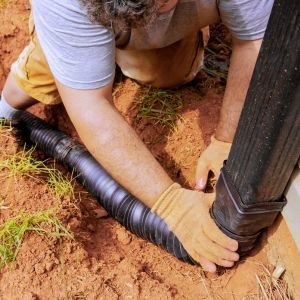
Existing drainage systems, including French drains and sump pumps, may be compromised during renovations, leading to improper water flow.
How to Maintain Proper Drainage:
- Ensure grading directs water away from the foundation.
- Install vapor barriers to prevent moisture accumulation.
- Reinforce existing drainage systems before starting renovation work.
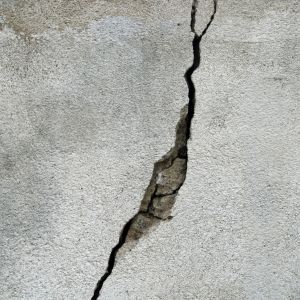
Foundation Cracks and Structural Weakness
1. Cracks from Vibration and Construction Work
Construction work, such as drilling or jackhammering, generates vibrations that may weaken the basement walls and foundation slab.
Common Types of Foundation Cracks:
- Hairline Cracks: Minor but can expand if left untreated.
- Vertical Cracks: Often caused by soil settlement and structural movement.
- Horizontal Cracks: Indicate excessive lateral pressure on basement walls.
2. Reinforcing Basement Walls to Prevent Cracks
Using reinforcement techniques ensures the basement walls maintain their integrity despite additional stress from renovations.
Reinforcement Techniques:
- Carbon fiber strips to strengthen foundation walls.
- Steel beams for lateral wall support.
- Waterproof coatings to prevent moisture damage.
HVAC and Ventilation Adjustments
1. Increased Humidity from HVAC System Changes
Altering basement ventilation or HVAC systems can impact moisture levels, leading to condensation and potential mold growth.
HVAC Solutions for Basement Stability:
- Install dehumidifiers to control moisture levels.
- Ensure adequate airflow to prevent damp pockets.
- Seal ductwork to avoid air leaks affecting structural materials.
2. Weight Impact of HVAC Equipment
Installing a new HVAC system or relocating a water heater in the basement adds concentrated weight to specific foundation areas, increasing stress in those zones.
Flooring Upgrades and Their Impact on the Foundation
1. Heavier Flooring Materials Adding Load
Installing stone, tile, or hardwood flooring increases the overall load, potentially affecting the foundation’s ability to support the structure.
Considerations for Heavy Flooring:
- Reinforce subfloors before installation.
- Assess foundation load capacity with a structural engineer.
- Use lightweight alternatives if weight distribution is a concern.
2. Raising the Floor Level and Insulation Adjustments
Adding insulation and subflooring increases the floor height, which may interfere with existing foundation stability and drainage systems.
Best Practices for Basement Flooring Renovations:
- Use moisture-resistant subflooring materials.
- Maintain sufficient clearance for HVAC and plumbing adjustments.
- Ensure waterproofing remains intact when raising the floor.
Plumbing and Electrical Modifications Impacting the Foundation
1. Cutting Into Concrete for Plumbing Upgrades
Adding new bathrooms or kitchenettes in a basement requires breaking through concrete, which can weaken foundation slabs.
Plumbing Precautions:
- Seal all new openings properly to prevent water infiltration.
- Reinforce concrete around plumbing installations.
- Ensure proper slope for drainage lines to avoid backups.
2. Electrical Installations and Structural Risks
Running new electrical wiring through foundation walls requires careful planning to avoid compromising the structure.
Electrical Safety Measures:
- Use conduit protection for all new wiring.
- Avoid excessive drilling into load-bearing walls.
- Seal electrical penetrations to prevent air leaks and moisture buildup.