

Irrigation systems play a crucial role in maintaining healthy landscapes, but improper water distribution can lead to soil instability around home foundations. Overwatering or uneven moisture distribution affects soil composition, leading to expansion, contraction, and erosion. Understanding how irrigation influences soil behavior helps homeowners implement best practices to protect their foundation’s integrity.
Soil Moisture and Its Role in Foundation Stability
The Effects of Excessive Moisture
Water saturation significantly alters soil structure, weakening its ability to support a foundation. Irrigation systems that deliver excessive water near the foundation create a persistently wet environment, which can result in:
- Soil expansion: Clay-rich soils absorb water, swelling and exerting pressure on the foundation.
- Increased hydrostatic pressure: Excess moisture pushes against foundation walls, leading to cracks and water intrusion.
- Soil erosion: Overwatering washes away support layers, reducing load-bearing capacity.
Consequences of Inconsistent Soil Moisture
Uneven irrigation patterns contribute to differential soil moisture levels, causing irregular foundation movement. This imbalance results in:
- Foundation settlement: Sections of the foundation sink due to inadequate soil support.
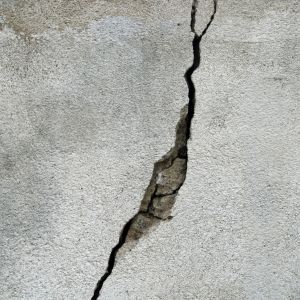
- Cracking in walls and floors: Uneven movement stresses structural components, leading to visible cracks.
- Basement or crawl space flooding: Moisture seepage through weakened foundation walls.
The Role of Soil Composition in Irrigation-Related Damage
Expansive Clay Soils
Clay soils are highly reactive to moisture changes. When exposed to irrigation runoff, they swell significantly, creating upward pressure on the foundation. During dry periods, the soil contracts, causing instability.
Signs of Clay Soil Movement Due to Irrigation:
- Cracks appearing in driveways, sidewalks, and walls.
- Doors and windows becoming difficult to close.
- Noticeable foundation heaving or sinking.
Sandy Soils
Sandy soils drain quickly, making them less likely to expand but more prone to erosion. Improper irrigation causes soil displacement, reducing support for the foundation.
Indicators of Soil Erosion from Irrigation:
- Exposed foundation edges due to soil washout.
- Gaps forming between the ground and foundation.
- Uneven settling of concrete slabs.
Loamy Soils
Loamy soils provide better moisture retention balance, but prolonged irrigation can still create instability by altering compaction levels.
Common Irrigation Issues That Affect Foundations
1. Overwatering Near the Foundation
Excess water accumulation weakens soil structure, leading to foundation displacement.
How to Prevent Overwatering:
- Adjust irrigation schedules based on soil moisture levels.
- Use drip irrigation instead of sprinklers for controlled water distribution.
- Maintain a safe distance between irrigation zones and the foundation.
2. Poor Drainage Design
Without proper drainage, irrigation water pools around the foundation, increasing the risk of soil instability.
Drainage Solutions:
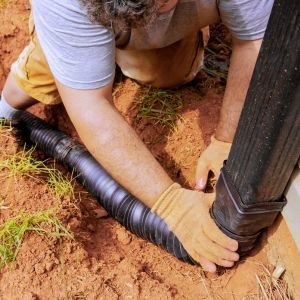
- Install French drains to redirect excess moisture away from the foundation.
- Ensure proper landscape grading to encourage runoff.
- Use downspout extensions to keep rainwater away from critical areas.
3. Uneven Water Distribution
Sprinklers and irrigation systems that distribute water inconsistently cause localized soil expansion and contraction.
Corrective Measures:
- Calibrate sprinkler heads for even coverage.
- Implement soil moisture sensors to regulate watering.
- Schedule irrigation cycles to avoid water accumulation in specific areas.
The Long-Term Effects of Improper Irrigation on Foundations
Crack Formation and Structural Damage
Repeated soil expansion and contraction create stress on the foundation, leading to cracks in walls, ceilings, and flooring.
Slab Foundation Movement
In homes with slab foundations, excessive moisture can cause lifting (heaving) or sinking (settlement), resulting in uneven floors and structural misalignment.
Basement Flooding and Mold Growth
Persistent moisture intrusion encourages mold development, posing health risks and weakening foundation materials.
Best Irrigation Practices to Protect Foundation Stability
1. Maintain Balanced Soil Moisture Levels
- Use a smart irrigation system to adjust watering based on real-time weather conditions.
- Apply mulch around plants to retain soil moisture and minimize the need for frequent irrigation.
2. Keep Irrigation Systems Away from the Foundation
- Position sprinklers at least 5 feet away from the foundation.
- Use subsurface drip systems to minimize surface runoff.
- Ensure proper slope grading to direct water away from the home.
3. Regularly Inspect for Water Leaks
- Check underground pipes and irrigation lines for leaks.
- Look for wet spots around the foundation that indicate overwatering.
- Fix broken sprinkler heads promptly to prevent unintended saturation.