

Home repairs are an inevitable part of property ownership, but managing costs effectively can prevent financial strain. A well-structured budget ensures necessary repairs are completed without unnecessary debt accumulation. Careful planning, prioritization, and resource allocation can make the difference between an affordable repair strategy and an overwhelming financial burden.
Assessing Repair Needs: Differentiating Essentials from Cosmetic Upgrades
The first step in budgeting for home repairs is to assess the urgency and necessity of each project. Categorizing repairs into essential and non-essential upgrades helps allocate funds efficiently.
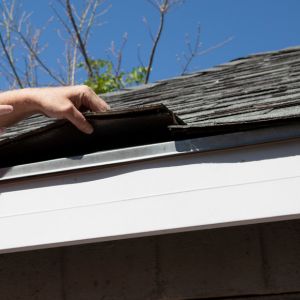
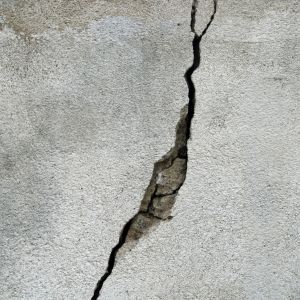
- Structural Repairs: Foundation cracks, roofing issues, and water damage should be addressed immediately to prevent costly future complications.
- Safety Concerns: Electrical malfunctions, gas leaks, and plumbing failures require prompt attention to ensure household safety.
- Aesthetic Improvements: Repainting, landscaping, and minor interior modifications can be scheduled based on budget availability rather than urgency.
A clear understanding of repair priorities allows homeowners to avoid unnecessary expenses and focus on pressing concerns first.
Setting a Realistic Budget Based on Income and Savings
A crucial part of financial planning involves setting a realistic repair budget. A homeowner’s budget should account for current income, savings, and potential financing options without exceeding manageable limits.
- Allocating a Monthly Repair Fund: Setting aside a percentage of monthly income for home maintenance ensures ongoing preparedness.
- Utilizing Emergency Savings: If a major repair arises unexpectedly, tapping into an emergency fund prevents reliance on high-interest loans or credit cards.
- Estimating Costs Accurately: Researching local contractor rates and material expenses helps in setting realistic cost expectations and avoiding budget overruns.
Planning a budget that aligns with financial capacity is essential to maintaining home value while avoiding economic hardship.
Exploring Cost-Effective Repair Solutions
Reducing home repair costs without compromising quality requires strategic decision-making. A mix of professional services and do-it-yourself (DIY) efforts can minimize expenses significantly.
1. Comparing Contractor Estimates
Before committing to any repair work, homeowners should obtain multiple estimates from licensed contractors. Comparing prices and evaluating service quality ensures the best deal without unnecessary markups.
2. DIY Repairs for Minor Issues
Many home repairs, such as painting, minor plumbing fixes, and basic carpentry, can be done independently. Online tutorials and home improvement guides provide valuable insights for tackling minor projects without professional assistance.
3. Purchasing Materials Strategically
Buying materials in bulk, shopping during seasonal sales, and considering refurbished items can reduce costs significantly. Hardware stores often offer discounts on surplus or clearance items, making it possible to save on quality materials.
Leveraging Government and Community Assistance Programs
Many homeowners overlook financial aid opportunities that can significantly reduce repair expenses. Government grants, low-interest loans, and nonprofit programs offer valuable support for necessary home improvements.
1. Home Repair Grants
Federal, state, and local government programs provide grants for eligible homeowners, particularly those in low-income brackets or disaster-affected areas. Researching available grants through housing agencies can help secure non-repayable financial assistance.
2. Low-Interest Home Improvement Loans
Homeowners with limited savings may qualify for government-backed low-interest loans designed for essential repairs. These financing options provide a cost-effective alternative to high-interest personal loans or credit cards.
3. Community and Nonprofit Initiatives
Local charities and housing organizations often assist homeowners in need of critical repairs. These programs may offer free labor, discounted materials, or partial financial aid to support home maintenance efforts.
Prioritizing Repairs to Maximize Budget Efficiency
Prioritization is key when operating within a limited budget. Addressing urgent repairs first ensures safety and prevents minor issues from escalating into costly disasters.
- Immediate Repairs: Issues like roof leaks, foundation problems, and electrical hazards should be addressed immediately to prevent further deterioration.
- Preventative Maintenance: Regular servicing of HVAC systems, plumbing, and structural components minimizes the likelihood of expensive future repairs.
- Long-Term Upgrades: Energy-efficient improvements, such as upgraded insulation or solar panels, can reduce utility bills and provide long-term savings.
By planning strategically, homeowners can make informed decisions that optimize financial resources while maintaining property value.
Using Smart Financing Without Overextending Credit
While financing options can help cover repair costs, it is crucial to avoid excessive debt. Careful selection of funding sources ensures manageable repayment terms without financial distress.
1. Home Equity Lines of Credit (HELOCs)
A HELOC allows homeowners to borrow against their home’s equity at a lower interest rate than credit cards. This flexible funding option works well for ongoing or large-scale repairs.
2. Personal Loans from Reputable Lenders
Low-interest personal loans can provide financial relief for urgent repairs. Comparing lenders and securing favorable terms prevents high repayment burdens.
3. Credit Cards as a Last Resort
Using credit cards for home repairs should be a last resort due to high interest rates. If necessary, opting for a zero-interest promotional period can provide temporary relief while ensuring timely repayment.
Avoiding Common Budgeting Mistakes
Many homeowners make avoidable mistakes when planning home repair budgets. Recognizing potential pitfalls ensures smarter financial management and long-term savings.
1. Underestimating Costs
Failing to account for unexpected expenses can lead to budget shortfalls. Adding a contingency buffer (typically 10-20% of estimated costs) prevents financial strain.
2. Neglecting Routine Maintenance
Ignoring small repairs often results in larger, more expensive problems. Proactively addressing minor issues saves significant money in the long run.
3. Relying Solely on Credit
Overusing credit cards or loans without a structured repayment plan can lead to excessive debt accumulation. Prioritizing cash savings and alternative funding reduces long-term financial stress.
Final Thoughts on Managing a Home Repair Budget Efficiently
Budgeting for home repairs requires a proactive approach that balances cost-effectiveness and quality maintenance. Careful assessment, smart financial planning, and leveraging available resources enable homeowners to manage repair expenses responsibly without incurring unnecessary debt.