

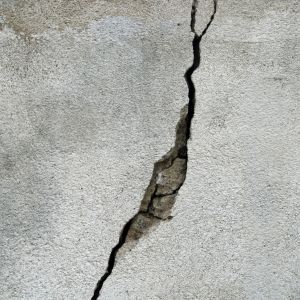

Seismic activity can cause severe structural damage, even if it appears minimal at first glance. After an earthquake, homeowners must assess their property’s stability to identify any underlying issues that could worsen over time. Conducting a thorough inspection helps prevent costly repairs and ensures the safety of occupants.
How Earthquakes Affect a Home’s Foundation
1. Shifting Soil and Foundation Movement
During an earthquake, the ground beneath a house can shift, causing foundation movement. This can lead to misalignment, cracks, or even subsidence, where the home begins to sink into the soil. Homes built on loose or sandy soil are especially vulnerable to shifting foundations.
2. Cracks in Walls, Floors, and Ceilings
Structural stress from seismic activity can result in visible cracks in drywall, ceilings, and floors. While small hairline fractures may not be a significant concern, larger cracks or diagonal patterns indicate foundation instability that requires immediate attention.
3. Uneven Floors and Tilting Walls
A home’s foundation should maintain a level surface. If floors appear slanted or walls seem to lean, it may be a sign of shifting foundation elements. Checking with a level tool can confirm whether these distortions occurred due to the earthquake.
4. Gaps Around Windows and Doors
Seismic movement can cause frames to shift, leading to misaligned windows and doors. Difficulty in opening or closing these features often signals that the structure has moved, affecting the home’s framework.
Key Areas to Inspect After an Earthquake
1. Foundation and Exterior Walls
A detailed examination of the foundation should be a priority. Inspecting exterior walls for cracks, fractures, or bulging ensures that potential weaknesses are identified before they escalate. Homes with brick or stucco exteriors should be checked for separation at the seams.
2. Roofing and Chimneys
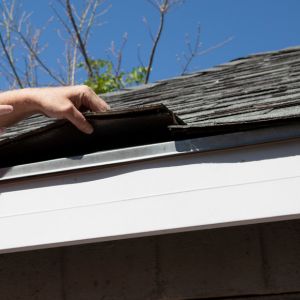
Roofs are highly susceptible to damage during seismic events. Loose shingles, dislodged flashing, and cracks in chimneys pose serious risks. Any structural weaknesses in the roof can lead to leaks and further deterioration if left unaddressed.
3. Interior Walls and Ceilings
Inside the home, walls and ceilings should be inspected for visible damage. Peeling paint, sagging ceilings, or new cracks suggest that the home has sustained movement-related stress.
4. Plumbing and Gas Lines
Earthquakes can disrupt plumbing systems and gas lines. Signs of water leaks, gas odors, or pressure changes in faucets should be addressed immediately to prevent hazardous conditions.
5. Crawl Spaces and Basements
Crawl spaces and basements provide a direct view of a home’s foundation. Inspecting these areas for moisture accumulation, cracks, or structural shifts helps detect hidden issues that could lead to long-term damage.
Steps to Take if Structural Issues Are Found
1. Documenting Damage for Insurance Claims
Homeowners should take detailed photos and notes on all visible damage. Proper documentation helps streamline the insurance claim process and ensures that necessary repairs are covered.
2. Consulting a Structural Engineer
If significant damage is detected, a structural engineer can assess the severity of the issue. Professional evaluations determine whether repairs are needed or if additional reinforcement is required to stabilize the home.
3. Scheduling Foundation Repairs
For homes with foundation damage, immediate repairs are necessary. Techniques such as underpinning, slab jacking, or pier installation can restore stability and prevent further deterioration.
4. Reinforcing the Home for Future Earthquakes
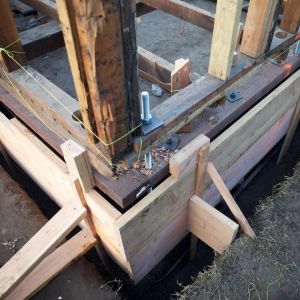
After repairing any damage, reinforcing the home against future seismic events is crucial. Adding seismic retrofits, such as anchor bolts and shear walls, enhances structural resilience and minimizes risks in subsequent tremors.
Preventative Measures to Reduce Earthquake Damage
1. Securing Heavy Furniture and Appliances
Unsecured furniture can become hazardous during an earthquake. Using wall anchors and straps for large appliances, bookshelves, and water heaters prevents tipping and potential injuries.
2. Strengthening Weak Structural Points
Older homes or structures without seismic reinforcements should undergo modifications to improve earthquake resistance. Strengthening weak load-bearing walls and ensuring flexible joints in the foundation reduces vulnerability.
3. Conducting Regular Structural Inspections
Scheduling annual inspections ensures that minor cracks or shifts in the foundation are detected before they become serious problems. Preventative maintenance helps keep the home in optimal condition.