
Cracks in walls might seem like minor cosmetic issues, but they can quickly escalate into serious structural problems. Left unattended, even small fissures can expand, compromising the stability of a building and leading to costly repairs. Understanding the underlying causes and acting promptly can save homeowners from extensive damage and financial strain.
Common Causes of Wall Cracks
1. Foundation Settling and Shifting
Over time, buildings settle due to soil movement, moisture changes, and natural wear. This gradual shift can create stress on the structure, leading to visible cracks. While some settling is normal, excessive movement may indicate deeper foundation issues that require professional assessment.
2. Moisture and Water Damage
Water infiltration weakens building materials, causing cracks in walls. Leaky pipes, poor drainage, or excessive humidity can contribute to moisture buildup, accelerating deterioration. Waterproofing vulnerable areas and maintaining proper drainage systems help prevent these issues.
3. Temperature and Humidity Changes
Extreme temperature fluctuations cause materials like plaster and drywall to expand and contract. Over time, this constant movement weakens the wall surface, leading to cracking. Homes in regions with drastic seasonal changes are particularly susceptible to this type of damage.
4. Structural Overload and Pressure
Excessive weight on walls, whether due to added floors, heavy furniture, or inadequate support, can lead to cracks. Load-bearing walls need proper reinforcement to withstand the stress and prevent structural failure.
The Consequences of Delayed Repairs
1. Escalating Structural Damage
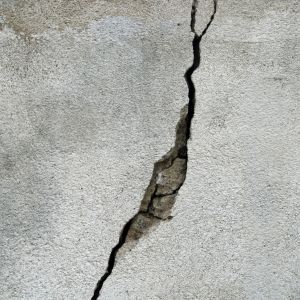
Ignoring cracks allows them to grow, affecting adjacent areas and weakening the overall stability of the structure. What starts as a small hairline fracture can expand into deep crevices, requiring major repairs or even reconstruction.
2. Increased Repair Costs
Addressing cracks early is far more cost-effective than waiting until they become significant structural issues. Minor repairs involve simple patching, while extensive damage may necessitate foundation reinforcement, wall replacements, or external waterproofing.
3. Compromised Home Safety
Structural weaknesses caused by untreated cracks can put occupants at risk. Walls that develop severe fractures may collapse under pressure, posing dangers to residents and reducing property value.
4. Mold and Mildew Growth
Cracks provide entry points for moisture, creating ideal conditions for mold and mildew growth. This not only damages walls but also affects indoor air quality, leading to respiratory issues and health concerns for those living in the home.
How to Properly Repair Wall Cracks
1. Assessing the Severity of the Crack
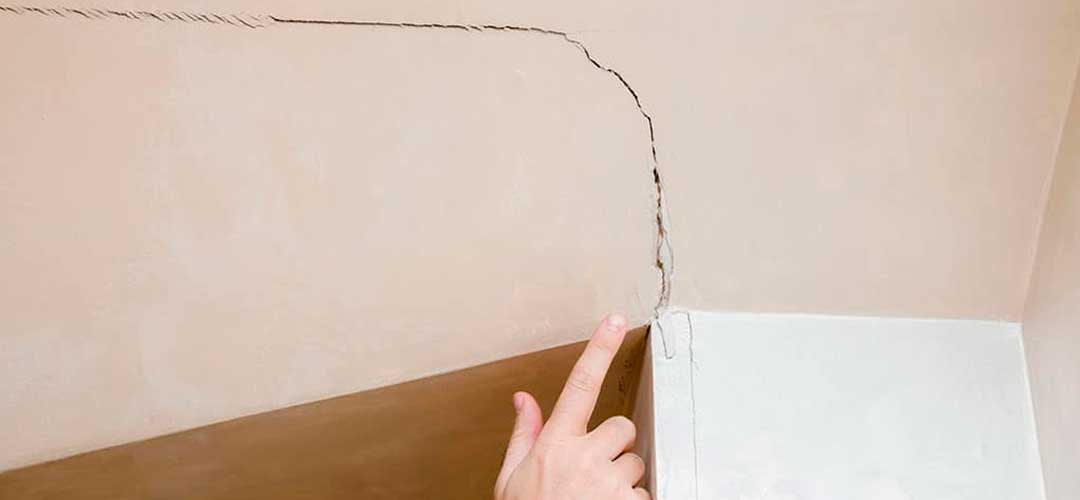
Before attempting repairs, it’s crucial to evaluate the type and depth of the crack. Superficial hairline cracks can be treated with basic patching, while larger fractures may indicate underlying structural concerns that require professional intervention.
2. Cleaning and Preparing the Surface
For effective repairs, the cracked area must be free of debris, dust, and loose material. Using a brush or vacuum ensures proper adhesion of the patching compound.
3. Choosing the Right Repair Material
- For small cracks: Use high-quality wall fillers or spackling paste for drywall and plaster.
- For concrete walls: Apply hydraulic cement or epoxy injections to fill deep gaps and reinforce the surface.
- For brick and masonry: Use mortar repair compounds to maintain structural integrity.
4. Sealing and Reinforcing the Area
After filling the crack, applying a primer and paint or a waterproof sealant helps protect the wall from future damage. Reinforcing critical areas with mesh tape can provide additional durability.
Preventative Measures to Avoid Future Cracks
1. Maintain a Stable Indoor Environment
Controlling humidity levels and temperature fluctuations reduces the stress on wall materials, minimizing the risk of cracks. Using dehumidifiers, proper ventilation, and insulation can help maintain a consistent indoor climate.
2. Address Foundation Issues Promptly
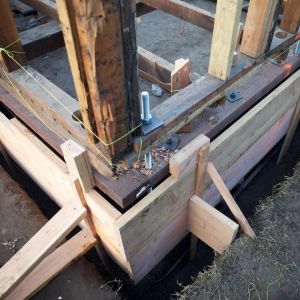
Regular foundation inspections and timely repairs prevent cracks from forming due to structural shifts. Ensuring proper soil drainage and avoiding excessive loads on the foundation contribute to long-term stability.
3. Waterproofing and Drainage Improvements
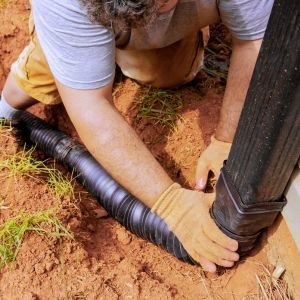
Applying exterior waterproof coatings and maintaining functional gutters and downspouts help prevent moisture-related cracking. Proper landscaping that directs water away from the foundation is also an effective preventive measure.
4. Reinforcing Load-Bearing Walls
If additional weight is placed on walls due to home extensions or new fixtures, reinforcing the structure ensures its ability to withstand pressure without developing cracks.