


As temperatures drop and winter approaches, ensuring that your home is well-prepared can prevent costly damage and structural deterioration. A proactive approach minimizes risks associated with freezing temperatures, heavy snowfall, and ice accumulation. Taking the necessary precautions strengthens the home’s resilience and enhances energy efficiency during the cold months.
Insulating and Sealing the Home for Energy Efficiency
1. Enhancing Attic and Wall Insulation
Proper insulation helps retain heat indoors and prevents excessive energy consumption. Ensuring that the attic has sufficient insulation reduces heat loss through the roof, keeping the home warmer while lowering heating costs. Wall insulation also plays a vital role in maintaining indoor temperatures and preventing cold drafts from seeping through.
2. Sealing Doors and Windows to Prevent Drafts
Small gaps around windows and doors allow cold air to enter, making heating systems work harder. Applying weather stripping and caulk seals these openings, reducing energy waste and improving indoor comfort. Thermal curtains and storm windows provide additional insulation against extreme cold.
3. Inspecting and Maintaining the Fireplace and Chimney
Fireplaces add warmth and ambiance to a home, but they must be maintained to ensure safety and efficiency. Cleaning the chimney, checking for blockages, and ensuring the damper is functional prevents smoke buildup and reduces the risk of fire hazards. Installing a chimney cap keeps debris and animals from entering the flue.
Roof and Gutter Maintenance to Prevent Water Damage
1. Cleaning Gutters and Downspouts
Clogged gutters cause ice dams, which can lead to significant roof and structural damage. Removing leaves, debris, and dirt from gutters ensures proper drainage and prevents water from seeping into the foundation. Installing gutter guards reduces the frequency of cleanings and enhances water flow efficiency.
2. Inspecting Roof Shingles and Flashing
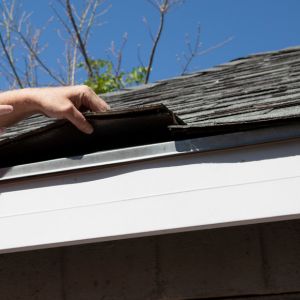
Loose or damaged shingles increase the risk of leaks and structural issues. Checking for cracks, curling edges, and missing shingles helps homeowners identify potential problems before they escalate. Sealing flashing around chimneys, vents, and skylights prevents moisture intrusion that can weaken the home’s structure.
3. Reinforcing Roof Support for Heavy Snow Loads
Snow accumulation can put excessive weight on a roof, leading to potential collapses or damage. Reinforcing weak areas, clearing snow buildup after heavy storms, and ensuring proper attic ventilation help maintain roof integrity throughout winter.
Preventing Frozen Pipes and Plumbing Issues
1. Insulating Exposed Pipes
Pipes located in basements, crawl spaces, and exterior walls are vulnerable to freezing. Wrapping them with foam insulation or heat tape prevents expansion due to ice formation, reducing the risk of burst pipes and costly water damage.
2. Draining and Winterizing Outdoor Faucets
Garden hoses and exterior water faucets should be drained before winter to prevent freezing and cracking. Shutting off the outdoor water supply and using insulated faucet covers protect plumbing fixtures from cold temperatures.
3. Keeping Indoor Temperatures Consistent
Maintaining a steady indoor temperature, even when away, prevents pipes from freezing. Keeping the thermostat set at a minimum of 55°F and allowing faucets to drip slightly during extreme cold reduces pressure buildup in pipes.
Foundation Protection to Maintain Structural Stability
1. Sealing Foundation Cracks
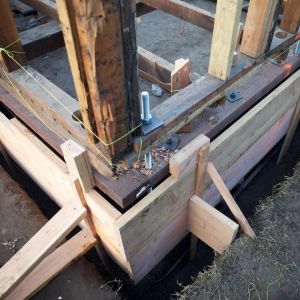
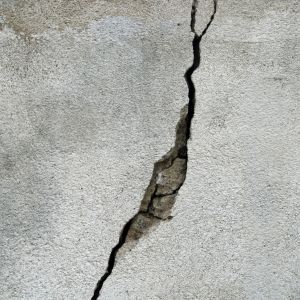
Small foundation cracks can expand during winter due to the freeze-thaw cycle. Sealing these gaps with appropriate fillers and waterproofing materials prevents water intrusion and minimizes structural risks.
2. Ensuring Proper Drainage Around the Home
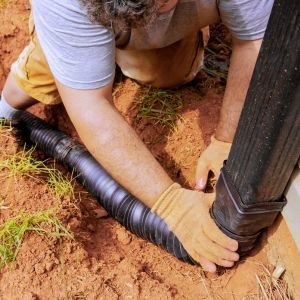
Water accumulation near the foundation leads to soil expansion and contraction, causing instability. Extending downspouts, installing French drains, and sloping landscaping away from the house prevent excess moisture from affecting the foundation.
3. Using Basement and Crawl Space Insulation
Cold drafts in basements and crawl spaces contribute to higher heating costs and increase the risk of frozen pipes. Applying foam board insulation, sealing gaps, and using vapor barriers help regulate temperature and protect structural components.
Heating System Maintenance for Efficient Performance
1. Servicing the Furnace Before Winter
A properly maintained heating system operates more efficiently and reduces the risk of breakdowns during peak usage. Replacing filters, inspecting heat exchangers, and cleaning air ducts ensure optimal performance.
2. Checking Carbon Monoxide and Smoke Detectors
Fuel-burning heating systems pose a risk of carbon monoxide buildup. Testing carbon monoxide and smoke detectors, replacing batteries, and ensuring adequate ventilation provide essential safety measures.
3. Bleeding Radiators and Checking Vents
For homes with radiator heating, bleeding air from radiators enhances heat circulation. Ensuring that vents and registers are free from obstructions maximizes the effectiveness of heating systems.
Exterior and Driveway Preparation for Snow and Ice Management
1. Applying Ice Melt and Sand on Driveways
Using ice melt or sand on driveways and walkways prevents slippery surfaces, reducing the risk of accidents. Choosing pet-safe and vegetation-friendly de-icing products protects both property and landscaping.
2. Storing Snow Removal Equipment
Keeping snow shovels, ice scrapers, and snow blowers readily accessible ensures prompt removal of snow and ice accumulation. Servicing snow removal equipment before winter prevents unexpected malfunctions.
3. Installing Outdoor Lighting for Safety
Shorter daylight hours make proper outdoor lighting essential for visibility. Motion-sensor lights and LED pathway illumination enhance safety and reduce the risk of falls on icy surfaces.
Emergency Preparedness for Severe Winter Weather
1. Creating a Winter Emergency Kit
Unpredictable winter storms can lead to power outages and limited mobility. Stocking up on flashlights, batteries, blankets, non-perishable food, and backup heating sources ensures readiness for extreme weather conditions.
2. Insulating Garage Doors
Garages act as a buffer between outdoor temperatures and the home’s interior. Adding insulation to garage doors reduces heat loss and prevents freezing conditions in connected living spaces.
3. Keeping an Alternative Heat Source
Power failures during winter can leave homes without heating. Having a backup generator, wood-burning stove, or space heater ensures warmth during emergencies.